Selling in Maple, Woodbridge or Kleinburg?A flat fee, not a commission.
Licensed local agents who list, negotiate and close your Vaughan home for one flat fee set by its price. Set before you meet your agent. Non-exclusive. Cancel anytime. Paid only at closing.⁶
Not locked in until your home is listed. Cancel from your dashboard.
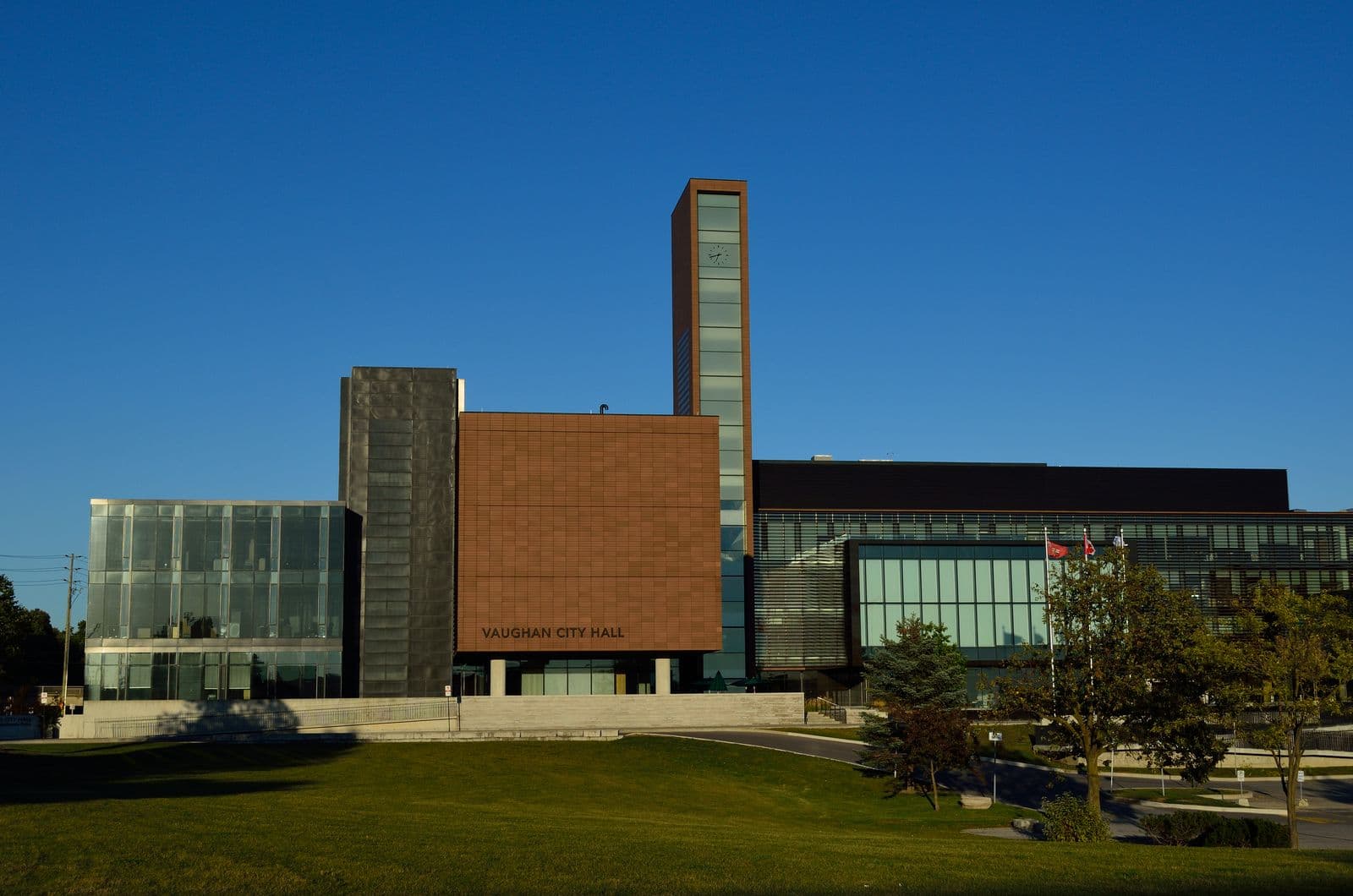
Maple, Woodbridge and Kleinburg are communities of the City of Vaughan, Toronto’s neighbour to the north in York Region (358,535 people in Statistics Canada’s July 2025 estimate), and Landian works across all three, and in the new downtown at the Vaughan Metropolitan Centre, with licensed local agents. Sellers list on the MLS with a licensed local agent for one flat fee set by the home's price, not a commission: $8,999 flat for a home around $900,000. $9,999 flat for a home around $1,200,000. $14,999 flat for a home around $1,600,000. The fee is shown before you meet the agent, written into your agreement, and paid only at closing. Buyers get a buyer's agent on the same schedule, based on the price of the home they buy, usually covered by the seller's contribution; anything the seller contributes above it comes back as a rebate or closing credit where allowed. Fees are in Canadian dollars.⁶
Vaughan at a glance, by postal area
Statistics Canada publishes the 2021 Census for every postal area, which lets Maple, Woodbridge and Kleinburg be compared directly. Across Vaughan the median home value was $1,200,000, against $900,000 in the City of Toronto, and 85.9% of households owned their home, against 51.9%. In Woodbridge’s L4L area, more than half of residents reported Italian origins.
Maple
Postal area L6A
Residents (2021)
89,287
Median home value*
$1,200,000
Homeowners
86.8%
Detached houses
66.2%
Built 2001-2021
60.4%
Italian origins
22.1%
Woodbridge
Postal area L4L
Residents (2021)
55,426
Median home value*
$1,200,000
Homeowners
85.1%
Detached houses
63.6%
Built 2001-2021
27.0%
Italian origins
53.6%
North Woodbridge
Postal area L4H
Residents (2021)
77,353
Median home value*
$1,200,000
Homeowners
92.4%
Detached houses
72.0%
Built 2001-2021
74.5%
Italian origins
34.3%
Kleinburg
Postal area L0J, the village and countryside
Residents (2021)
4,945
Median home value*
$2,300,000
Homeowners
91.9%
Detached houses
92.8%
Built 2001-2021
45.8%
Italian origins
54.9%
Concord and the VMC
Postal area L4K
Residents (2021)
20,172
Median home value*
$900,000
Homeowners
67.6%
Detached houses
35.7%
Built 2001-2021
55.6%
Italian origins
14.2%
Vaughan
City of Vaughan, York Region
Residents (2021)
323,103
Median home value*
$1,200,000
Homeowners
85.9%
Detached houses
62.5%
Built 2001-2021
50.3%
Italian origins
26.5%
Statistics Canada, 2021 Census of Population: profiles for forward sortation areas (the first three characters of a postal code) and for the City of Vaughan. Postal areas follow mail routes, not community boundaries, so the names are approximate. Residents are the 2021 count; *median value of owner-occupied homes as estimated by their owners; homeowners are the share of households that own; detached houses and homes built 2001-2021 are shares of occupied homes (the second is our sum of the Census periods); Italian origins is the share of residents who reported Italian among their ethnic or cultural origins (more than one can be reported). For the City of Toronto the same figures are 2,794,356 residents, $900,000, 51.9%, 23.3%, 24.5% and 6.1%. Values are from 2021; September 2026 prices are under “Why people are buying here now”.
Living in Maple, Woodbridge, Kleinburg and the VMC
Three old villages and a downtown that is still being built, all in the City of Vaughan, which meets the City of Toronto at its southern edge.
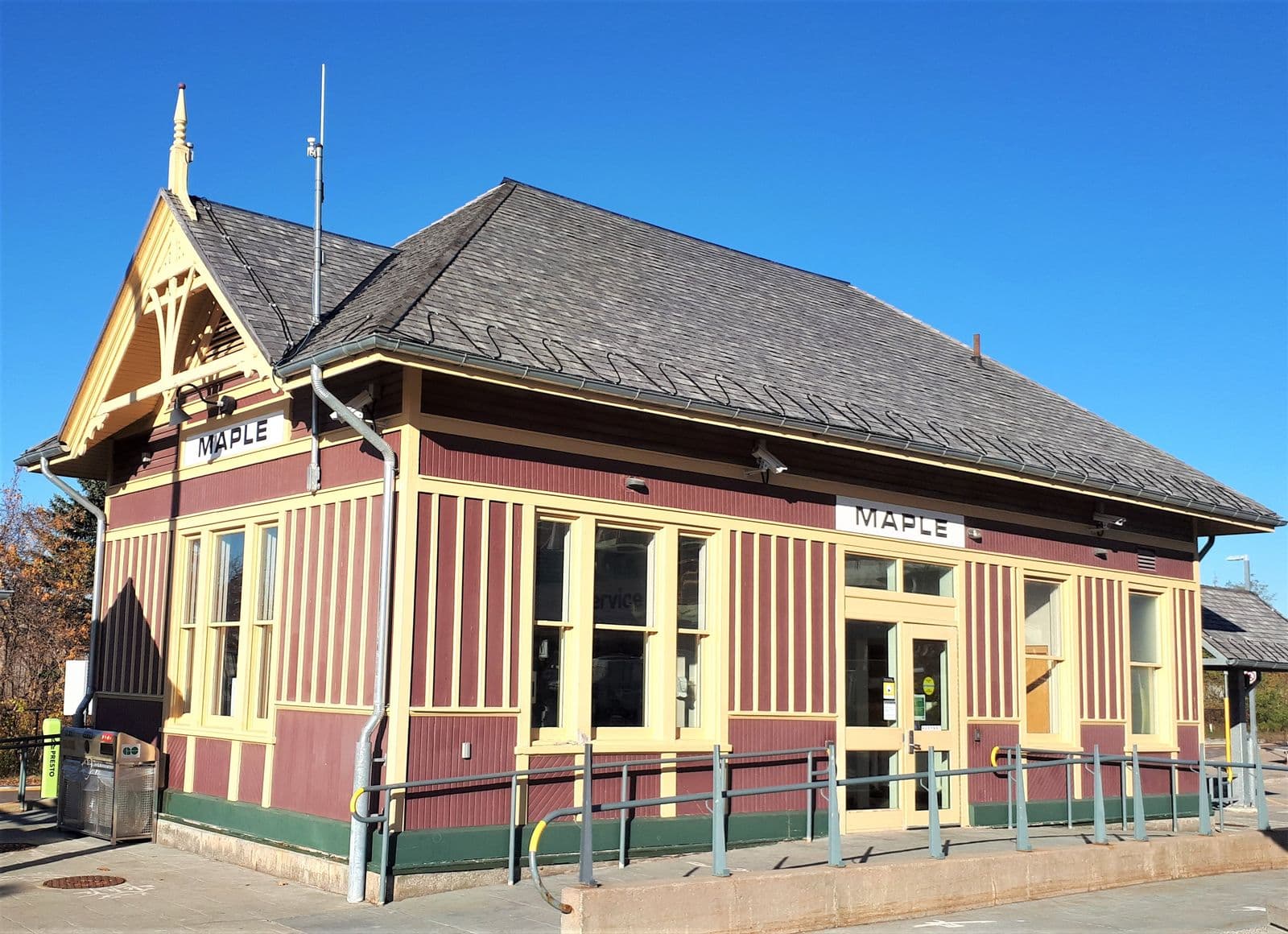
Maple GO station, built in 1903
Maple
From railway village to Vaughan’s most populous postal area
Maple grew from the farms of the Noble and Rupert families around today’s Keele Street and Major Mackenzie Drive. In 1852 it was Noble’s Corner, after Joseph Noble, the first postmaster; it was later renamed Rupertsville after a respected local doctor, and local lore ties the name Maple to the maple trees that once lined Keele Street. The railway made the village: the station, first called Richmond Hill, was renamed Maple after the Canadian National Railway bought the line, and in 1928 Maple, with 2,000 people, became a police village. Lord Beaverbrook, the newspaper owner and Britain’s wartime Minister of Aircraft Production, was born here (Vaughan Archives).
The 1903 station building, a designated heritage railway station since 1992, still serves Maple GO on the Barrie line to Union Station, and the City has had a heritage conservation district plan for the Village of Maple since 2007. Around the old core, subdivisions filled the farmland: Maple’s L6A postal area counted 89,287 residents in 2021, the most of any in Vaughan, and six in ten of its homes (60.4%) had been built from 2001 to 2021. The Maple Library and Community Centre on Keele Street is the City’s largest community centre, at about 148,000 square feet.
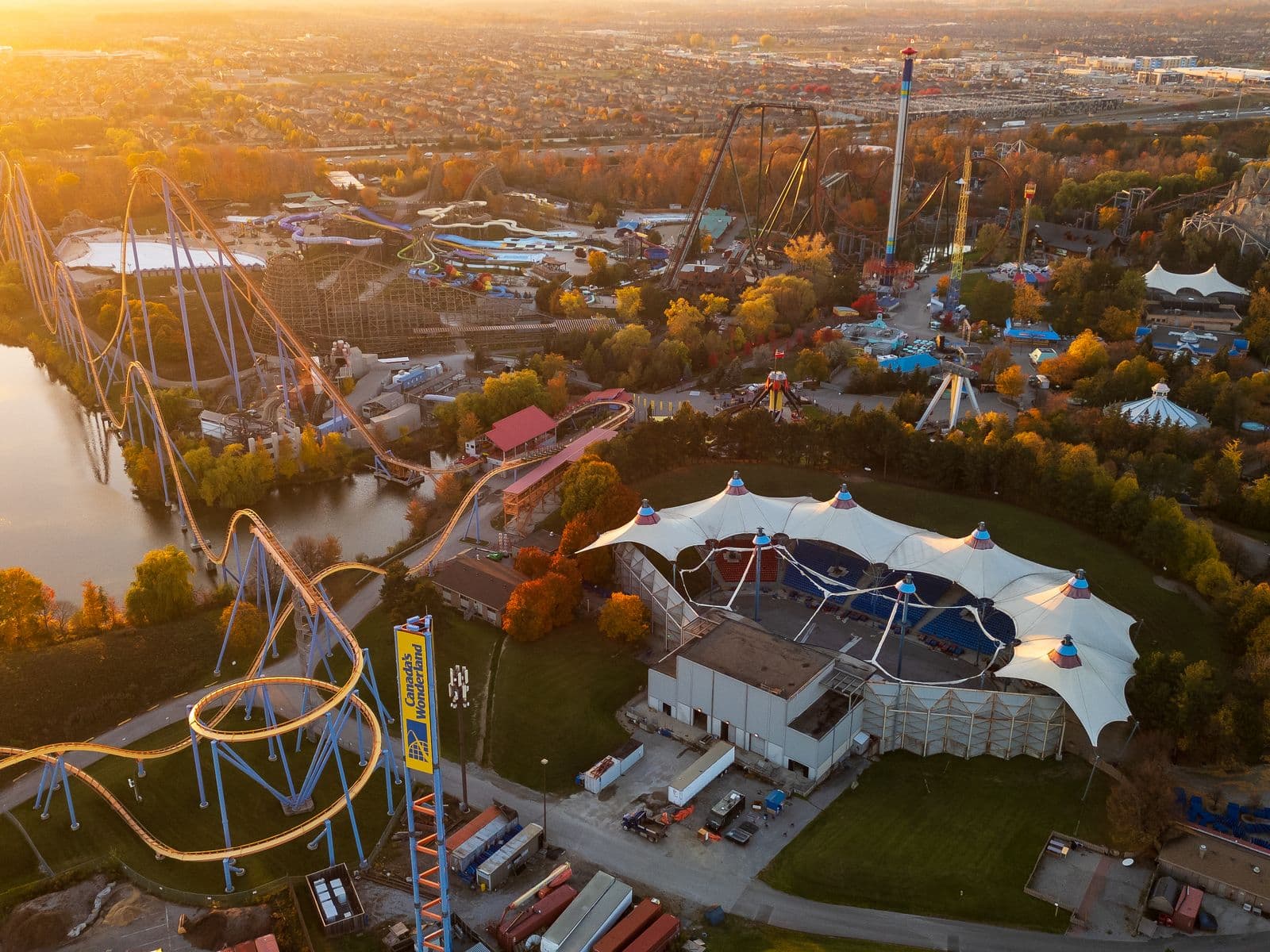
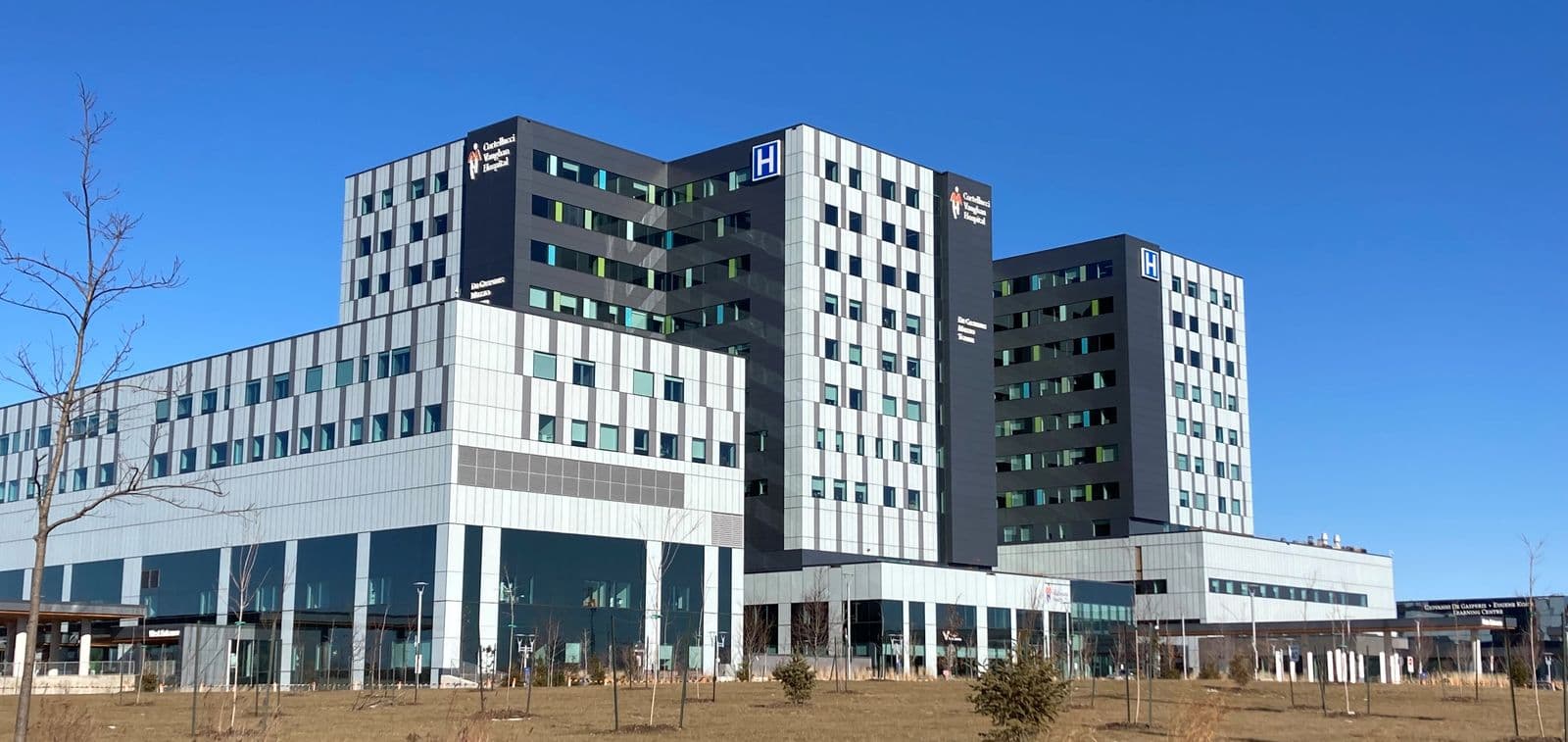
Since June 6, 2021, Cortellucci Vaughan Hospital has run as a full-service hospital at Jane Street and Major Mackenzie Drive, just north of Canada’s Wonderland, which opened on May 23, 1981 on 300 acres. To the east, the Maple Nature Reserve has 35 hectares and a 3.2-km loop off Dufferin Street north of Major Mackenzie Drive, near the Eagles Nest Golf Course and the Eagles Landing streets. To the north, the Keele Valley Landfill, once the largest in Canada and the third-largest in North America, closed in 2002 and is becoming North Maple Regional Park, 364 hectares (900 acres) that the City says will be larger than New York’s Central Park.
A mill village on the Humber with deep Italian roots
Woodbridge grew around Rowland Burr’s flour mill on the Humber River from 1837, as Burwick, renamed Woodbridge in 1855. John Abell’s agricultural works, opened in 1862, employed more than 200 people by 1874; the village passed 1,000 people and incorporated in 1882, and in 1971 it joined Vaughan Township to form the Town of Vaughan. Ten subdivisions went up between 1951 and 1956 alone (Vaughan Archives). The Woodbridge Agricultural Fair, founded in 1847, has its permanent home at 100 Porter Avenue, has been held over Thanksgiving weekend since 1939 and draws more than 10,000 visitors a year (City of Vaughan).
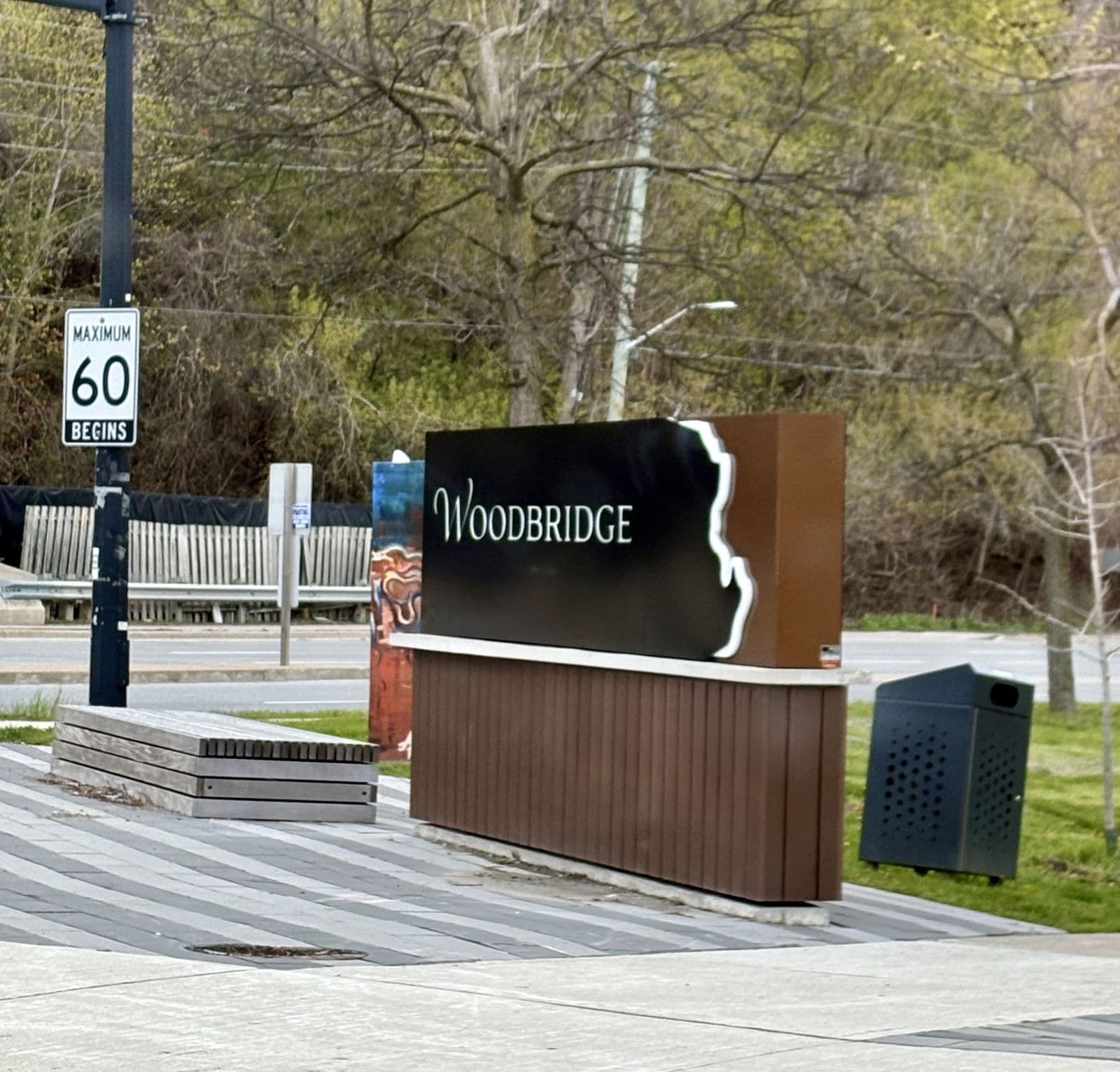
The City calls Vaughan home to one of the largest Italian populations in Canada. In Woodbridge’s L4L postal area, 53.6% of residents reported Italian origins in the 2021 Census and 25.0% have Italian as their mother tongue; across Vaughan, 85,030 people (26.5%) reported Italian origins, against 6.1% in the City of Toronto. Woodbridge Avenue, the village’s main street, was rebuilt between Kipling and Islington avenues, with the work completed in December 2023, past the Market Lane Shopping Centre and four signal boxes painted by local artists, and the Woodbridge Library at 150 Woodbridge Avenue reopened after renovations in September 2025. The Riverwalk, a 1.7-km paved and lit loop, follows the Humber beside the historic core.
North Woodbridge is newer: in the L4H postal area, three in four homes (74.5%) were built from 2001 to 2021 and 92.4% of households own.
A “small mountain” village between two branches of the Humber
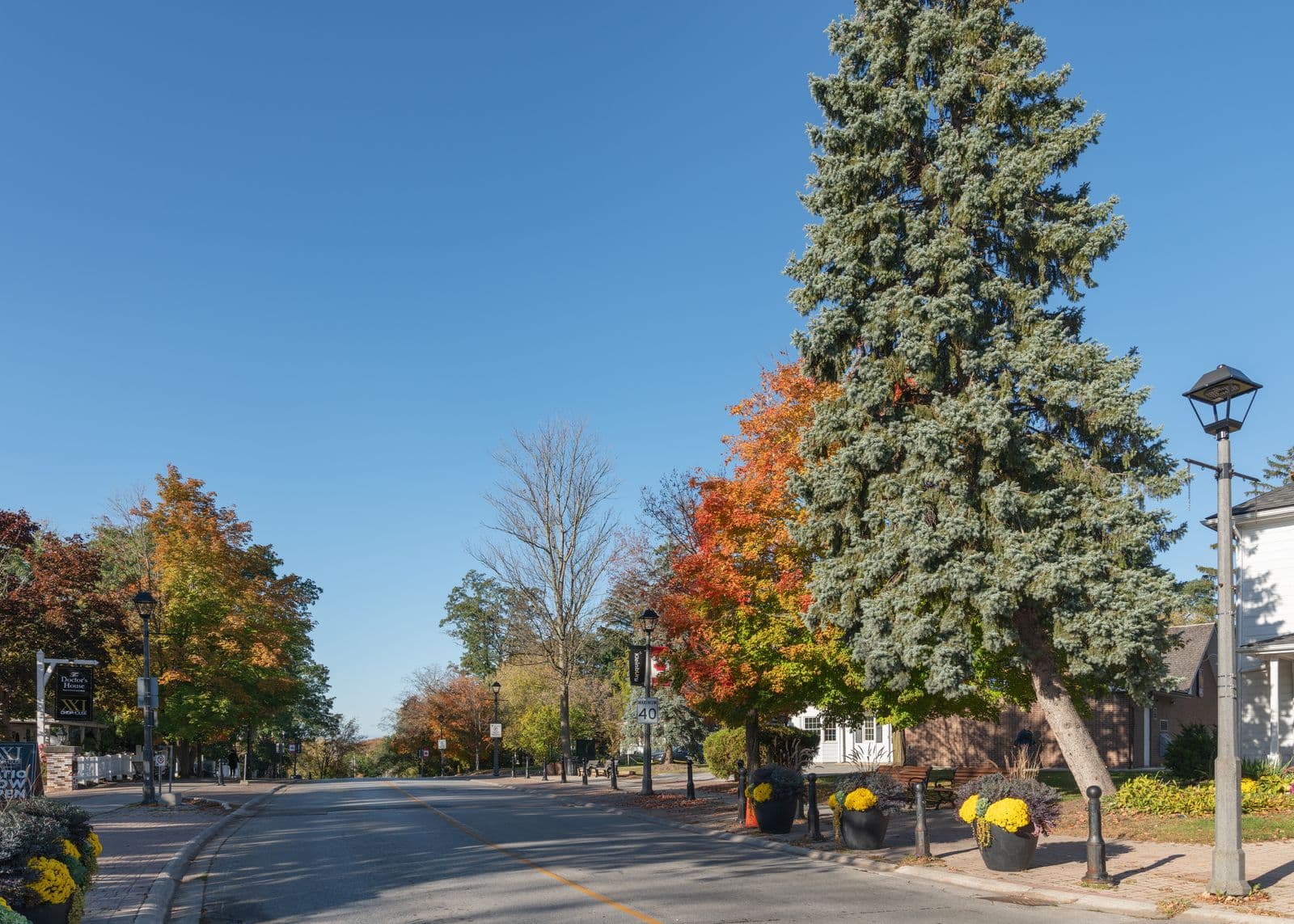
Kleinburg sits on a narrow, hilly ridge between two branches of the Humber River. In 1848 John Nicholas Kline bought 83 acres west of today’s Islington Avenue and built a sawmill and a gristmill, the largest mills between Toronto and Barrie; the name is usually read as German for “small mountain”. The Howland brothers bought the mills in 1852, and William Pearce Howland went on to be Lieutenant-Governor of Ontario from 1868 to 1873 (Vaughan Archives). The first Shaw’s Binder Twine Festival, reviving an old harvest-time tradition, was held on September 9, 1967, with help from author Pierre Berton (City of Vaughan).
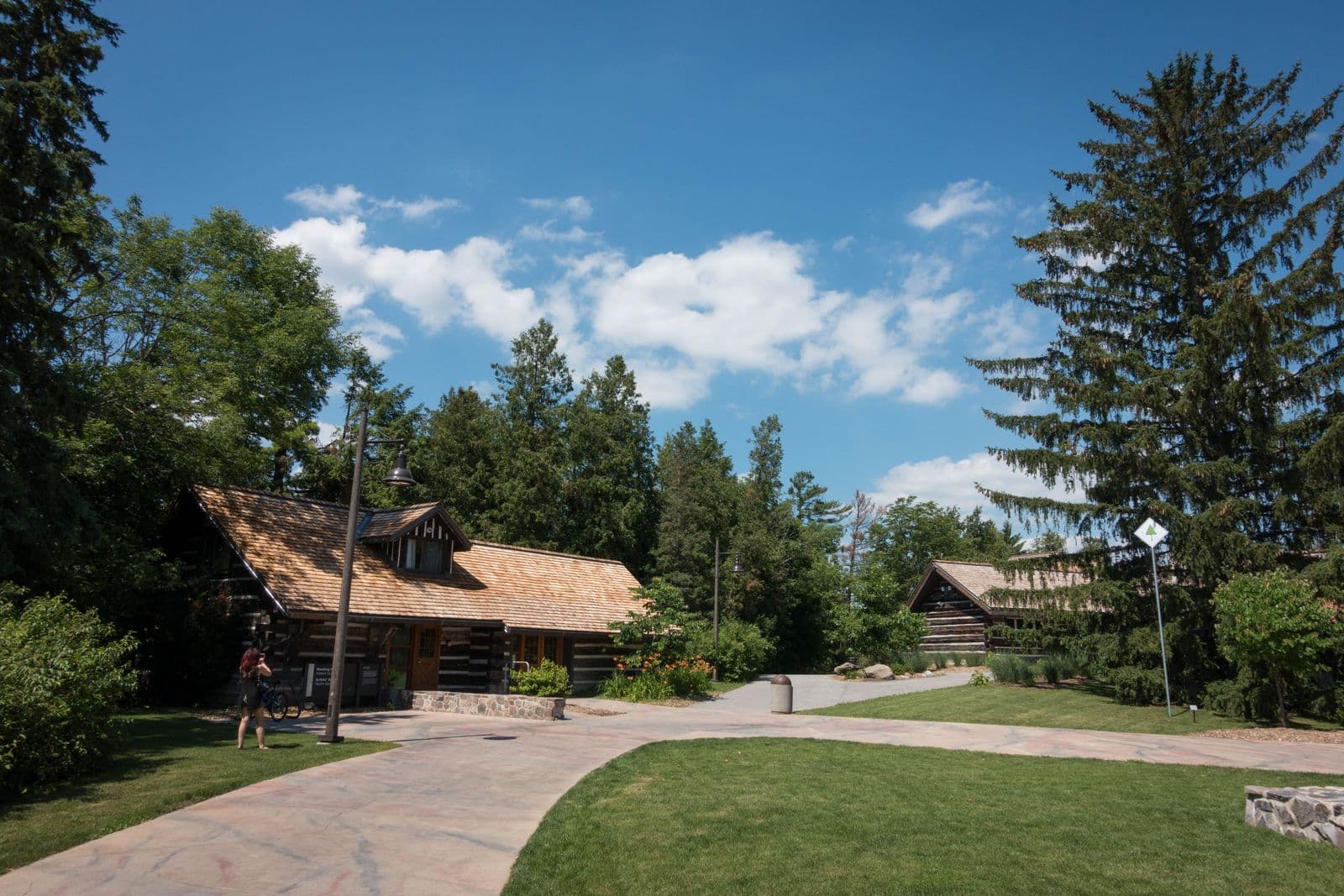
Just south of the village core, the McMichael Canadian Art Collection opened on July 8, 1966, after Robert and Signe McMichael gave their home, land and 194 paintings to the Province; six members of the Group of Seven are buried on its 100 acres of Humber valley forest. The gallery closed on July 26, 2026 for a redevelopment that adds 60% more space, with construction expected to finish in 2029. Down Islington Avenue, Boyd Conservation Park is a seasonal TRCA park in the Humber valley with 17 picnic sites.
The village keeps its rural edges: in the L0J postal area, 92.8% of homes are detached houses and the 2021 median value was $2,300,000. The City is finishing the last phase of its Kleinburg Village improvements on Islington Avenue this fall, and in March 2026 the Province announced the transfer of nine acres on Huntington Road for a future Kleinburg-Nashville community centre.
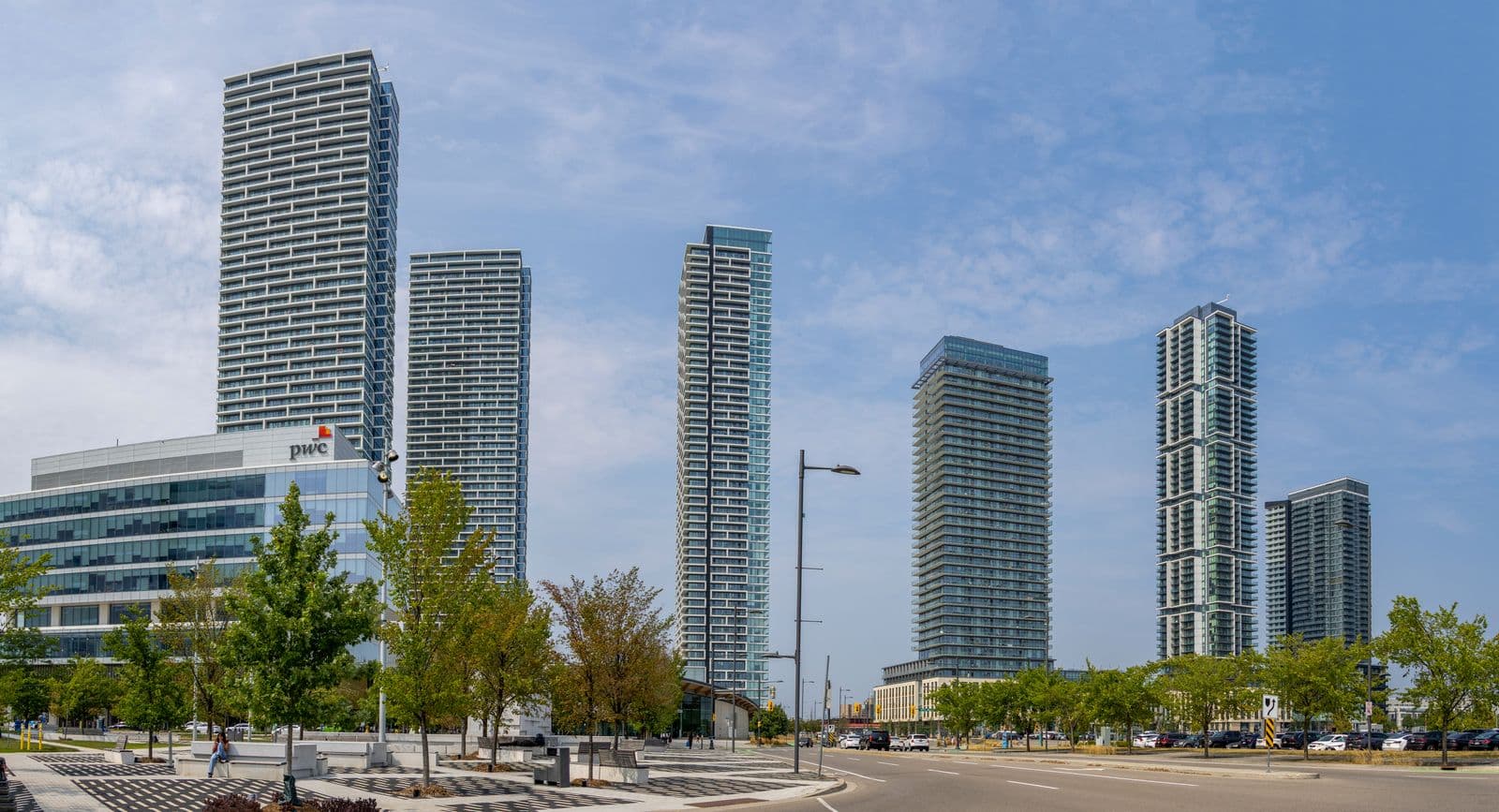
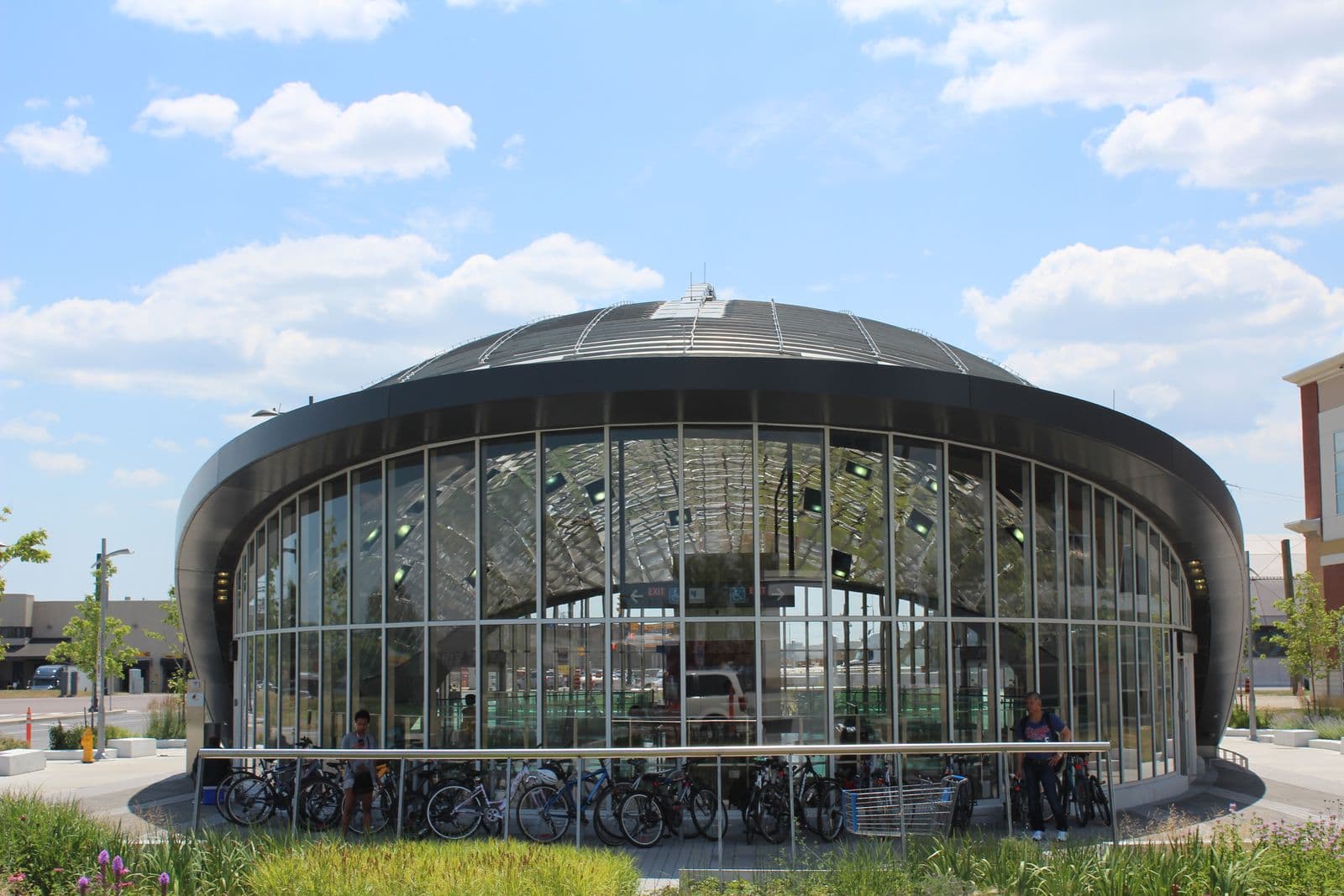
On December 17, 2017 the TTC opened a six-station, 8.6-km extension of Line 1 from Sheppard West to Vaughan Metropolitan Centre, north of Highway 7, the first subway expansion to cross Toronto’s boundary. The station connects with Viva bus rapid transit, whose VMC station sits in the middle of Highway 7, and with York Region Transit at the SmartVMC Bus Terminal. The City plans the VMC as Vaughan’s financial, innovation and cultural centre.
Growth has outrun the plan. The VMC Secondary Plan set a target of 25,000 residents and 11,500 jobs by 2031; by December 2024 the City counted 6,528 completed homes housing 12,925 residents, 6,016 more under construction and 12,923 approved, plus more than 1.6 million square feet of new office space built or approved. The David Braley Vaughan Metropolitan Centre of Community, with a YMCA, a library branch and city studios, opened at 200 Apple Mill Road in 2022, Millway Avenue Linear Park opened in October 2025, and the first phase of the 3.18-hectare North Urban Park is due by the end of 2026. In the L4K postal area, 38.4% of homes are apartments in buildings of five or more storeys and 34.5% were built from 2016 to 2021.
What the numbers say about demand on Toronto’s northern edge.
Still growing
Statistics Canada estimates Vaughan had 358,535 residents on July 1, 2025, up 6.6% from 336,482 in 2021 and 1.1% in the last year, while the City of Toronto’s estimate dipped 0.3%. The City of Vaughan cites a York Region forecast of nearly 570,000 people by 2051.
A hospital of its own
Cortellucci Vaughan Hospital, the first hospital built in Vaughan and, says Mackenzie Health, the first net new hospital in Ontario in more than 30 years, opened fully on June 6, 2021 with 350 beds and room to grow to 550.
A subway and GO trains
Line 1 has reached the Vaughan Metropolitan Centre since 2017, and GO trains stop at Maple and Rutherford on the Barrie line. Metrolinx is rebuilding Maple GO with a second platform and tunnels to prepare for more frequent, two-way, all-day service.
Prices have eased
TRREB counted 213 Vaughan sales in September 2026 at an average of $1,163,441 (median $1,080,000), with 735 new listings and 4.9 months of inventory. The MLS® HPI composite benchmark was $1,119,400, down 5.21% in a year, and homes sold for 97% of their listing price on average.
Cortellucci Vaughan Hospital, Major Mackenzie Drive
What homes here look like
Mostly family houses, owned by the people who live in them. Single-detached houses are 62.5% of Vaughan’s occupied homes, against 23.3% in the City of Toronto, 85.9% of households own and the average household has 3.1 people, against 2.4 in Toronto (2021 Census). The 2021 median value was $1,200,000 across the city and in Maple and both Woodbridge postal areas; it covers every owner-occupied home, so a newer detached house can sit well above it.
In September 2026, TRREB counted 108 detached sales in Vaughan at an average of $1,599,218 (median $1,442,500); the MLS® HPI detached benchmark was $1,496,300, down 5.42% in a year. Townhouses on freehold lots averaged $992,857 across 21 sales, semi-detached houses $1,024,654 across 13, and condo apartments, with 62 sales, were the second-busiest type after detached houses.
Maple
Subdivisions around the old village, mostly built since 2001: 66.2% detached, 13.3% row houses and 9.5% semis in the L6A area, where 60.4% of homes were built from 2001 to 2021 and households average 3.4 people.
Woodbridge
The older core: in the L4L area, 37.9% of homes date from 1981 to 1990 and 14.7% are apartments in buildings of five or more storeys, and residents’ median age is 48.0. North Woodbridge (L4H) is newer, with 72.0% detached houses.
Kleinburg
Village houses, estates and rural lots: 92.8% detached in the L0J area, with a 2021 median value of $2,300,000. On a rural property, ask whether it runs on a well and septic system, and for their records.
The VMC
Condo towers around the subway: in the L4K area, 38.4% of homes are apartments in buildings of five or more storeys, a third (34.5%) were built from 2016 to 2021 and 32.4% of households rent.
Schools in English and French
Four publicly funded boards serve Vaughan: the York Region District School Board (YRDSB, English public), the York Catholic District School Board (YCDSB, English Catholic, about 49,000 students in 103 schools), Conseil scolaire Viamonde (French public) and Conseil scolaire catholique MonAvenir (French Catholic).
High schools include Maple High School (YRDSB) and St. Joan of Arc Catholic High School (YCDSB) in Maple; Woodbridge College, Emily Carr and Tommy Douglas secondary schools (YRDSB) and Father Bressani, Holy Cross Catholic Academy and St. Jean de Brebeuf Catholic high schools (YCDSB) in Woodbridge. Kleinburg has Kleinburg Public School and Pope Francis Catholic Elementary School. In French, MonAvenir opened École secondaire catholique de l’Ascension – Vaughan in Woodbridge in 2024 and runs École élémentaire catholique Le-Petit-Prince (kindergarten to Grade 8); Viamonde has École élémentaire La Fontaine in Kleinburg, and its high school in York Region is École secondaire Norval-Morrisseau in Richmond Hill. Each board sets its own boundaries, so check a specific address.
Line 1 runs from Vaughan Metropolitan Centre through York University into Toronto, and at the VMC it meets Viva bus rapid transit, whose VMC station sits in the middle of Highway 7, and York Region Transit at the SmartVMC Bus Terminal. GO trains on the Barrie line stop at Maple and at Rutherford, where Metrolinx finished major upgrades in 2022, including an underpass that carries the trains over Rutherford Road.
At Maple GO, Metrolinx is building a new west platform, north and south tunnels with elevators, a bigger bus loop on Eagle Rock Way and a pedestrian bridge over Major Mackenzie Drive, to prepare the station for more frequent, two-way, all-day Barrie line service; it has published no date for that service. By car, Highways 400 and 407 cross the city, and the Highway 427 extension, 6.6 km from Highway 7 to Major Mackenzie Drive with interchanges at Langstaff Road, Rutherford Road and Major Mackenzie, opened on September 18, 2021.
Rivers, trails and a park bigger than Central Park
The Humber River, which runs through Woodbridge and Kleinburg, is the only Canadian Heritage River in the Greater Toronto Area and one of 41 across Canada (City of Vaughan). Trails follow it through the McMichael’s 100 acres of forest, though access through the gallery’s grounds closes once construction starts this fall; the trails along the river stay open from other entrances. Boyd Conservation Park on Islington Avenue is open on weekends until November 1 this year, and the Kortright Centre for Conservation on Pine Valley Drive covers 325 hectares of woodland and welcomes 100,000 visitors a year (TRCA).
In Maple, North Maple Regional Park, entered from Keele Street between Teston Road and Kirby Road, already has 5 km of trails on the Oak Ridges Moraine, two FIFA-certified artificial turf fields opened in 2018 and, since January 2026, Vaughan’s first indoor soccer dome; once complete, its 900 acres will make it larger than Central Park. The Maple Nature Reserve’s 3.2-km loop off Dufferin Street crosses 35 hectares, with entrances from Teston Road, William Bowes Boulevard and Lady Fenyrose Avenue.
Buying in Vaughan: tax, heritage districts and flood maps
Ontario charges land transfer tax on every purchase: 0.5% on the first $55,000, 1.0% up to $250,000, 1.5% up to $400,000 and 2.0% above that, plus 2.5% above $2 million where the land holds one or two single-family homes. On a $1,100,000 house that comes to $18,475. First-time buyers may qualify for a refund of up to $4,000. Toronto’s Municipal Land Transfer Tax is charged only on properties purchased in Toronto, so a home in Vaughan pays the provincial tax alone.
Maple, Woodbridge and Kleinburg-Nashville each have a heritage conservation district plan (Kleinburg-Nashville’s is being updated), so ask whether a property sits inside one before planning exterior changes. On a newer home, ask for the original date of possession: Tarion’s one- and two-year warranty coverage runs from that date even if the home has since been sold, and its seven-year coverage for major structural defects ends on the seventh anniversary of it.
Old Woodbridge sits low beside the Humber, in a floodplain where homes and businesses were built long before modern flood-risk planning, and it is a Special Policy Area in Vaughan’s Official Plan, which limits redevelopment that would put more people or property at risk. The Toronto and Region Conservation Authority ranks Woodbridge 20th of 40 high-risk flood clusters in its watersheds and says flooding on Woodbridge Avenue could begin in a two-year storm (On The Record, November 2025). Check a property near the Humber on TRCA’s flood plain map before you buy or list.
Three example prices in Vaughan, from a freehold townhouse to a detached house, and the listing side at each against a traditional 2.5%. One flat fee instead of a percentage: $8,999 flat for a home around $900,000. $9,999 flat for a home around $1,200,000. $14,999 flat for a home around $1,600,000.⁶
On a home around $900,000
Traditional listing side (2.5%)$22,500
1% service (about $3,000 minimum)$9,000
Landian flat fee$8,999
$13,501⁵⁶
more in your pocket than a traditional listing
On a home around $1,200,000
Traditional listing side (2.5%)$30,000
1% service (about $3,000 minimum)$12,000
Landian flat fee$9,999
$20,001⁵⁶
more in your pocket than a traditional listing
On a home around $1,600,000
Traditional listing side (2.5%)$40,000
1% service (about $3,000 minimum)$16,000
Landian flat fee$14,999
$25,001⁵⁶
more in your pocket than a traditional listing
Landian flat fee⁶1% of the price$9,999 flat for a home around $1,200,000. That’s 0.83%, and it never becomes a percentage.
Under $500,000, the fee you see is final. From $500,000, an agent may propose a different fee before you choose them, with a reason and always under 1% of your expected price. You can say no and wait for an agent who accepts.
The same three steps as everywhere on Landian, with licensed agents who work Maple, Woodbridge, Kleinburg and the rest of Vaughan.
1
Book online
Enter your address and expected price. Your flat fee shows right away; pick a consultation time.
2
Compare agents
Licensed local agents who accept your fee answer. You compare their cards (rating, experience, response time) and choose.
3
Meet and list
Meet your agent, then decide. Nothing is exclusive until your home is listed, and you can cancel from your dashboard.
McMichael grounds, Kleinburg
Moving to Vaughan?
Moving for the subway, the GO trains, the hospital or the schools? Tell us which streets you are watching and you are matched with a licensed buyer’s agent who works Vaughan. Budget for Ontario’s land transfer tax, about $18,475 on a $1,100,000 house, alongside your down payment; Toronto’s municipal tax does not apply here.
A licensed buyer's agent for a flat fee from the same schedule, based on the price of the home you buy. The fee is usually covered by the seller's contribution, and anything the seller contributes above it comes back to you as a rebate or closing-cost credit where allowed.¹
How much does it cost to sell a house in Maple, Woodbridge or Kleinburg with Landian?
One flat fee set by your home's price, in Canadian dollars, not a percentage: $8,999 flat for a home around $900,000. $9,999 flat for a home around $1,200,000. $14,999 flat for a home around $1,600,000. It is shown before you meet your agent, written into your agreement, and paid from your proceeds at closing. Nothing upfront.
Is the fee the same in Maple, Woodbridge, Kleinburg and Concord?
Yes. The schedule is set by the home's price, not by the town, so a home at the same price pays the same flat fee anywhere in Ontario. Under $500,000, the fee you see is final. From $500,000, an agent may propose a different fee before you choose them, with a reason and always under 1% of your expected price. You can say no and wait for an agent who accepts.
Does Landian have agents in Maple and the rest of Vaughan?
Yes. Landian has a Vaughan office page and matches you with licensed local agents within about 120 km of your home, so Maple, Woodbridge, Kleinburg, Concord and the VMC are covered. Agents who accept your fee answer, and you compare them before anyone calls.
Are Maple, Woodbridge and Kleinburg part of Vaughan?
Yes. They are communities of the City of Vaughan, not separate municipalities. Woodbridge was an incorporated village from 1882 until 1971, when it joined Vaughan Township to form the Town of Vaughan (Vaughan Archives). Their old cores each have a heritage conservation district plan.
Do I pay Toronto’s land transfer tax if I buy in Vaughan?
No. Toronto’s Municipal Land Transfer Tax is charged on properties purchased in Toronto. In Vaughan you pay Ontario’s land transfer tax only, about $18,475 on a $1,100,000 house, and first-time buyers may qualify for a refund of up to $4,000 (Ontario Ministry of Finance).
Can I take the subway from Vaughan?
Yes, from the Vaughan Metropolitan Centre. The TTC’s Line 1 extension opened there on December 17, 2017, with six stations over 8.6 km, and the station connects with Viva on Highway 7 and the SmartVMC Bus Terminal. From Maple, GO trains on the Barrie line run to Union Station.
Is Woodbridge in a flood zone?
Parts of it. The old village sits low beside the Humber River, and TRCA ranks Woodbridge 20th of 40 high-risk flood clusters in its watersheds; Woodbridge is a Special Policy Area in Vaughan’s Official Plan. Check the specific address on TRCA’s flood plain map and ask the seller about past water.
Is the McMichael open?
Not until 2029. The McMichael Canadian Art Collection in Kleinburg closed on July 26, 2026 for a redevelopment that adds 60% more space; construction starts this fall and is expected to be completed in 2029. Trails along the Humber River stay open from other access points.
How does buying a home in Maple, Woodbridge or Kleinburg work with Landian?
You get a licensed buyer's agent for a flat fee from the same schedule, based on the price of the home you buy. The fee is usually covered by the seller's contribution, and anything the seller contributes above it comes back to you as a rebate or closing-cost credit where allowed.
Your Vaughan home. One flat fee.
Set before you meet your agent. Non-exclusive. Cancel anytime. Paid only at closing.
⁶Flat listing fee by expected price: $5,999 from $600K; $6,999 from $700K; $7,999 from $800K; $8,999 from $900K; $9,999 from $1M; $11,999 from $1.25M; $14,999 from $1.5M; $19,999 from $2M; lower below $600K. Based on the higher of the price you enter and a third-party estimate of your home’s value, and written into your Client Agreement before you meet an agent. If your listing price falls in a higher step, the fee follows the schedule; it never rises after your home is listed. Under $500K the fee you see is final; from $500K an agent may propose a different amount before you choose them, always under 1% of your expected price. Payable only at closing. Buyer-side fees use the same steps on the price of the home you buy and are usually covered by the seller’s contribution.
⁵Seller savings are estimated against a 2.5% listing-side commission on the final sale price. Commissions are not set by law and are negotiable, so actual savings vary by market, agent and property. The fee shown is the flat listing-side fee for the home’s price, set on Landian before the seller met the agent.
¹Rebates available where jurisdictional laws permit. Excludes AL, AK, KS, LA, MS, MO, OK, OR, TN. Seller credits may be requested as an alternative to rebates in restricted jurisdictions.